
Moving Furniture by Type: Wood, Glass, Sofas and Appliances
Not every piece is moved the same way. Wood needs protection from scratches, glass from breaking, and sofas from dust and moisture. Each type needs wrapping that suits it.
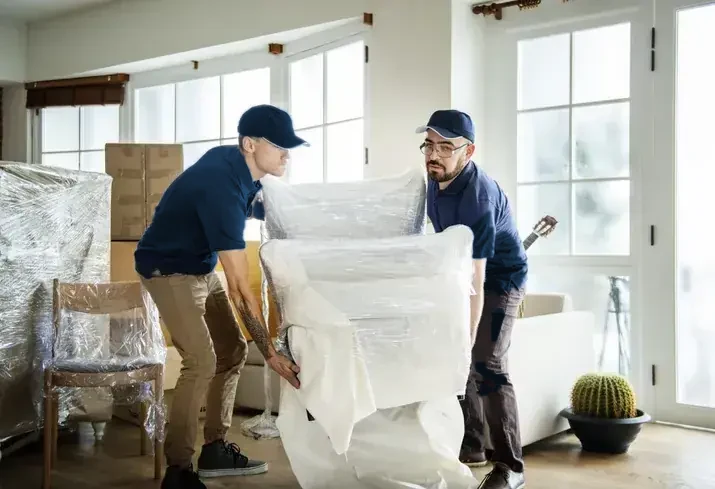
Natural and painted wood
Cover the surfaces with cloth or a blanket before the bubble wrap and stretch film, and do not pull stretch film directly onto glossy paint. Lift the piece instead of dragging it, and secure drawers, doors and movable shelves with tape or take them out.
MDF and ready-made furniture
Its edges and corners are more sensitive to knocks, and it is affected by humidity and water. Protect the corners with cardboard, add an extra cover if the weather is damp, and avoid dismantling and reassembling it many times because the joints can weaken.
Glass and mirrors
Wrap them in bubble wrap, then put rigid cardboard on the edges, move them upright rather than flat, and write “glass” on them clearly. For glass tables, the base is dismantled and the parts are moved separately. More details in moving fragile items.
Sofas, mattresses and upholstery
They need a cover that protects them from dust and moisture. Mattresses are moved upright or propped without bending, and leather needs a breathable cover if storage is long.
Antiques and gilded pieces
Old and gilded pieces need extra wrapping and careful carrying away from decorated parts. Read the antiques moving guide, and send us photos so we can decide the method.
Electrical appliances
Secure moving parts and drain the water from the washing machine and fridge, move the fridge upright as far as possible, and leave dismantling and installing the air conditioner to technicians. Details in moving appliances and air conditioners.
Metal furniture and garden furniture
Iron scratches and rusts in humidity, so cover it with a dry wrapper. Garden furniture is usually light but its ends break easily, so wrap the ends and secure the moving parts.
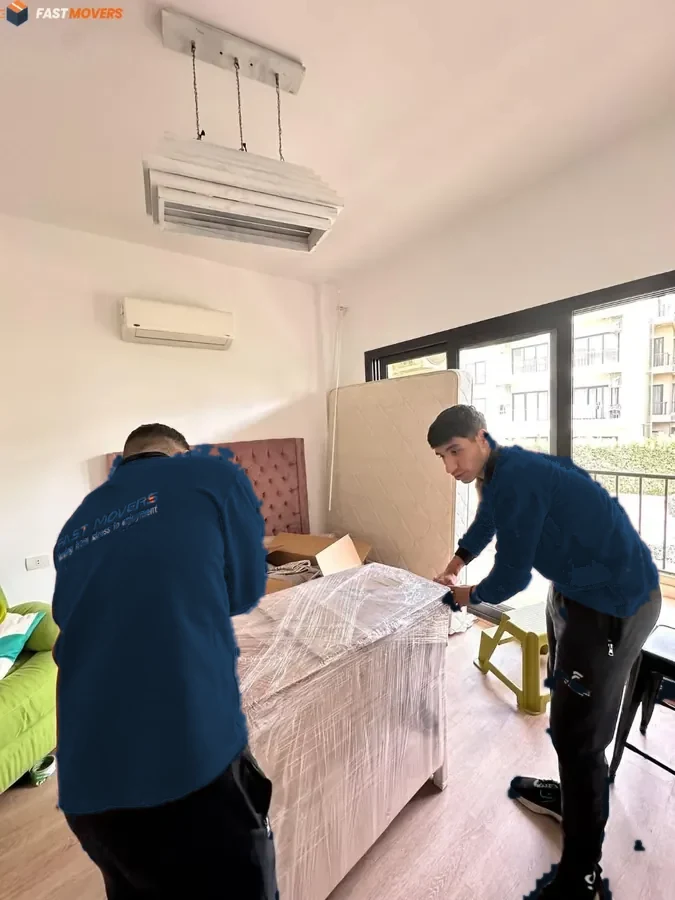
After wrapping, large and heavy pieces are loaded first, then medium ones, then boxes, and fragile pieces are placed in a safe spot in the truck. The step-by-step wrapping method is in the furniture packing guide.
Frequently asked questions
Should I wrap wood in plastic directly?
It is better to put a cloth or blanket first, especially on painted and glossy surfaces.
How do I move a large mirror?
Upright, wrapped in bubble wrap with rigid cardboard on the edges, and marked “glass”.
Do you move antiques?
Yes, with extra wrapping and more care. Send photos of the pieces so we can decide the right method and team.
Request a fixed quote
Send the details and photos and we will reply with a clear price.
Also read
- How to Pack Furniture for Moving, Step by Step
- Moving Mirrors, Glass, Chandeliers and Antiques: How to Protect Them from Breaking
- Moving Antiques and Old Wooden Furniture: How Do You Protect Them?
- Moving an Air Conditioner, Water Heater, Screens, Fridge and Washing Machine: Steps and Warnings
- Moving a Whole Kitchen: Steps and Warnings
- Moving a Children’s Room and Delicate Wooden Furniture
- Moving a Newlyweds’ Trousseau: How to Move Furniture and Appliances Safely
Other services and areas
- Maadi
- New Cairo
- Sheikh Zayed
- 6th of October
- Nasr City
- Mokattam
- Rehab & Madinaty
- Shorouk & Obour
- Giza & Mohandessin
- Hadayek El Ahram
- Heliopolis
- New Administrative Capital
- Faisal & Haram
- Zamalek & Downtown
- Furniture moving Cairo & Alexandria
- Furniture moving to the Delta
- Furniture moving to Upper Egypt
- Safe packing
- Dismantling & assembly
- Full home furnishing
- Crane lifting
- Secure storage
- Closed trucks
- Cleaning & polishing
- Office & company moving
- Helwan & 15th of May
- Dokki & Agouza
- Shubra & Abbasiya
- 10th of Ramadan & Badr
- Pre-move furniture preparation checklist